
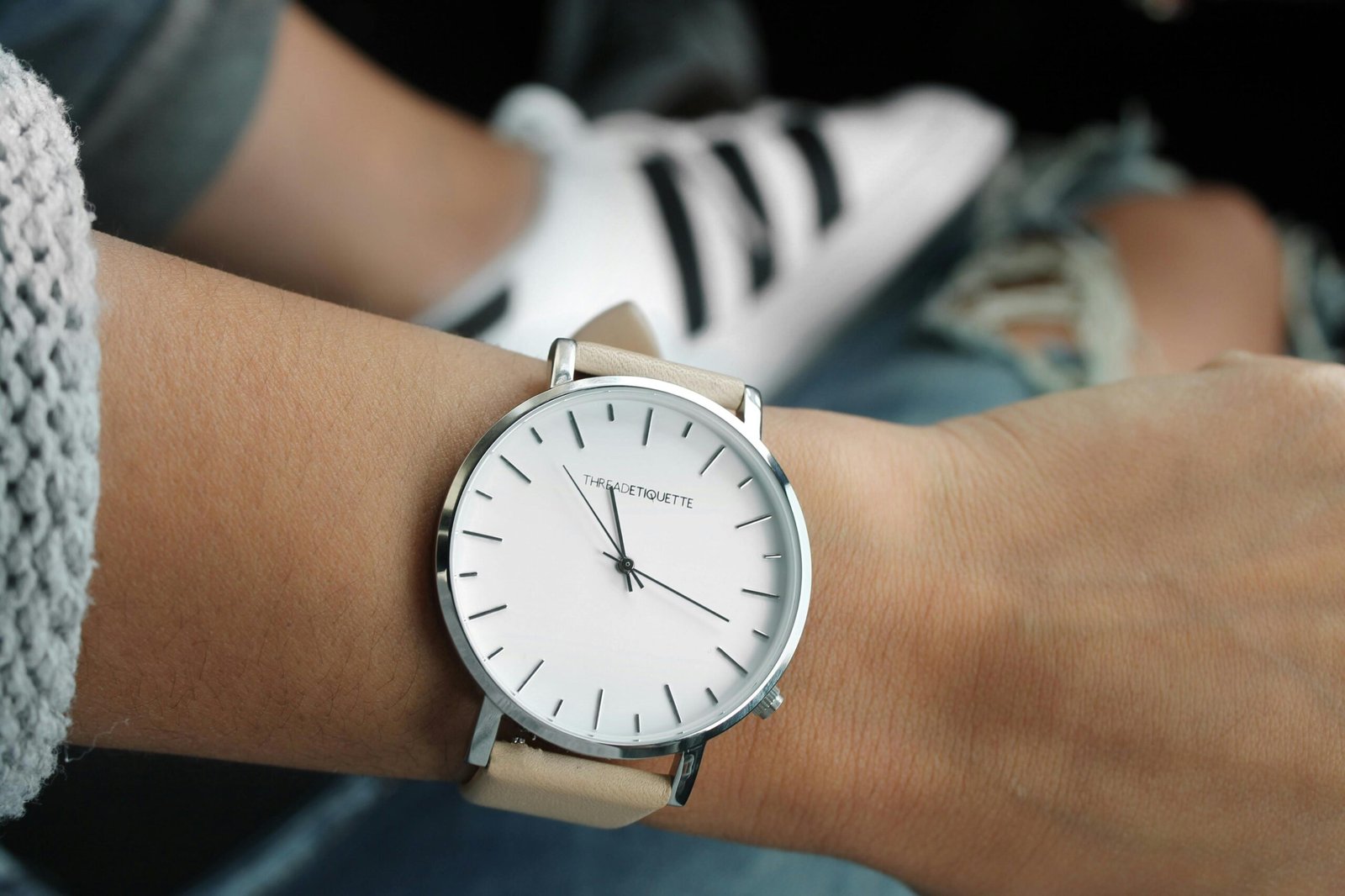
Have you ever thought about how a watch can say so much about a person? It’s fascinating to consider how these timepieces are more than just tools for telling time; they often serve as a reflection of style, value, and personal identity.
This image is property of images.pexels.com.
The Timeless Appeal of Watches
Watches hold a unique place in fashion and functionality. For centuries, they have been more than mere accessories; they are symbols of status, craftsmanship, and sometimes even personal milestones. A good watch can complete your outfit and say something about who you are without saying a word.
History and Evolution of Watches
The history of watches spans over several centuries, evolving from pocket watches in the 16th century to the sleek timepieces we see today on many wrists. Early watches were primarily owned by the elite and were made with meticulous attention to detail.
- 16th Century: The introduction of spring mechanisms allowed for the creation of small, portable timepieces.
- 17th Century: Watches became increasingly ornate, with intricate designs that made them as much a piece of art as a tool for keeping time.
- 20th Century: The quartz revolution changed the landscape entirely, making watches more affordable and accurate for the general public.
Each era has contributed to the rich tapestry of horology, leading to the diverse array of brands and styles available today.
The Language of Timepieces
When picking a watch, you’re not just choosing an object; you’re making a statement. Various designs, materials, and functionalities communicate different impressions.
Mechanical vs. Quartz
One of the most significant distinctions in the watch world is between mechanical and quartz watches.
| Feature | Mechanical Watches | Quartz Watches |
|---|---|---|
| Power Source | Mechanical movement | Battery-powered |
| Accuracy | Less accurate (within a few seconds per day) | Highly accurate (within a few seconds per month) |
| Maintenance | Requires servicing every few years | Minimal maintenance |
| Longevity | Can last several decades or longer | Limited lifespan (20-30 years) |
| Craftsmanship | Often hand-crafted, intricate designs | Mass-produced, simpler mechanisms |
While mechanical watches often symbolize craftsmanship and tradition, quartz watches excel in accuracy and ease of use.
The Materials Matter
The raw materials used in watchmaking significantly influence their aesthetic and durability. Here are some common materials found in men’s watches:
- Stainless Steel: Known for its durability and resistance to corrosion, it’s a popular choice for both luxury and casual watches.
- Gold: Offers a classic, luxurious touch. Both yellow and rose gold options are prevalent.
- Titanium: This lightweight, strong material is favored for its hypoallergenic properties and resistance to scratches.
- Leather: Often used for straps, leather offers a warm, classic feel that can elevate a watch’s appeal.
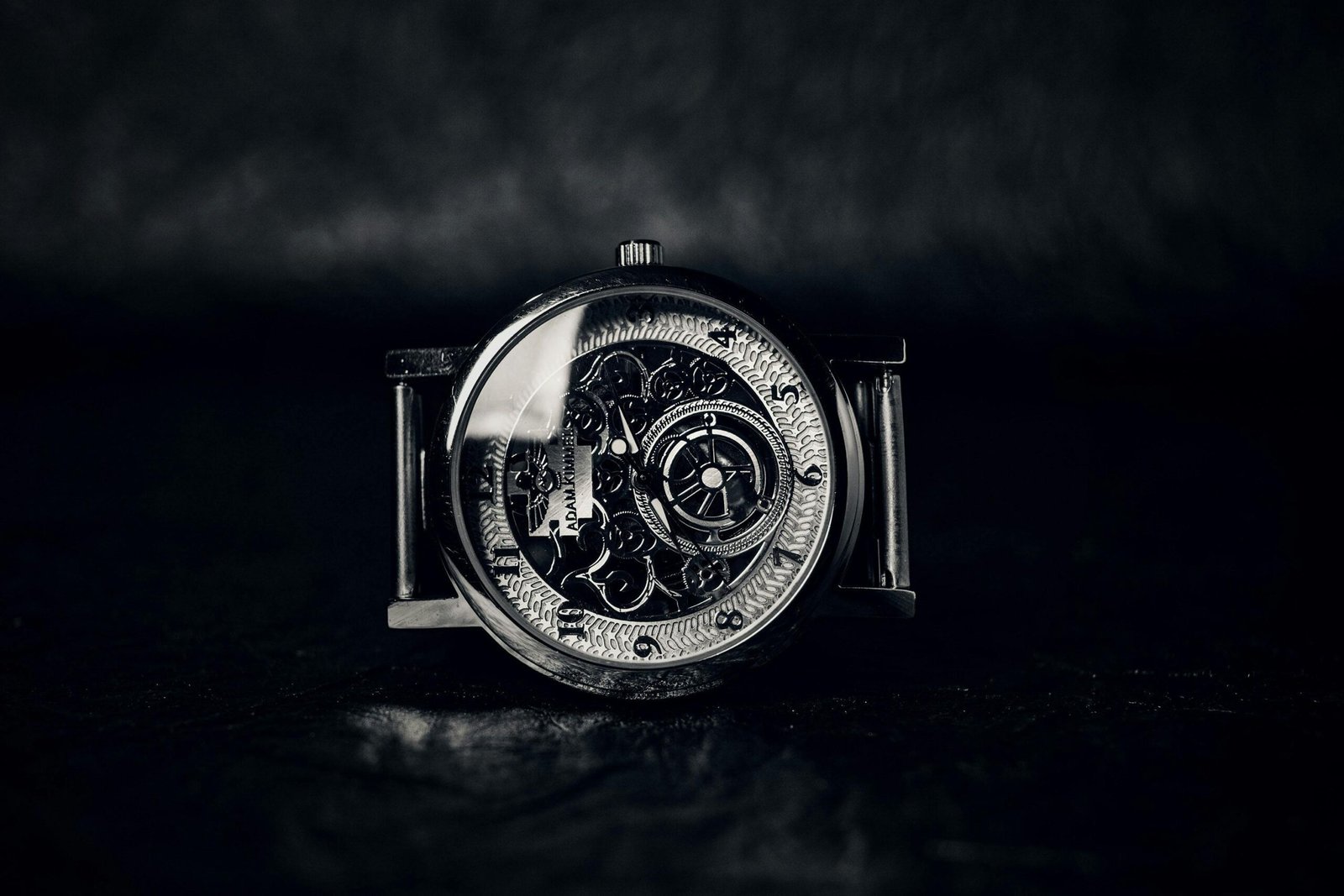
Understanding these materials helps in making more informed choices about which watch suits your lifestyle and preferences.
This image is property of images.pexels.com.
The Top Men’s Watch Brands
Now, let’s take a closer look at some renowned watch brands that have carved out their own place in the men’s market. Each of these brands has its unique story, style, and focus.
Rolex: The Pinnacle of Prestige
Rolex is synonymous with luxury and status. Founded in 1905, this Swiss brand is known for its precision and durability. A Rolex is often seen as the ultimate accessory for those who value elegance and reliability.
- Signature Models:
- Submariner
- Daytona
- Datejust
Owning a Rolex not only serves a practical purpose but also signifies an achievement, making it a timeless investment.
Omega: A Touch of Elegance
Omega has been a trailblazer in both style and innovation since its inception in 1848. Renowned for its involvement in space exploration and the Olympics, Omega watches blend technical prowess with sophisticated designs.
- Iconic Models:
- Speedmaster (the first watch worn on the moon)
- Seamaster (famous for its association with James Bond)
Choosing an Omega often means embracing a blend of heritage and contemporary style.
TAG Heuer: A Nod to Sportiness
Known for its precision and sporty aesthetic, TAG Heuer has been a leading name in the world of motorsports since its founding in 1860. This brand beautifully balances luxury with athleticism.
- Popular Models:
- Carrera
- Monaco
- Aquaracer
If you’re an active individual who appreciates a sporty yet refined look, TAG Heuer may be the right fit for you.
Audemars Piguet: Craftsmanship Meets Exclusivity
Audemars Piguet, founded in 1875, is known for its intricate craftsmanship and limited production. With a focus on creating luxury pieces, it has established a loyal following among connoisseurs.
- Renowned Model:
- Royal Oak
Wearing an Audemars Piguet signifies a passion for art and precision.
Seiko: Affordable Quality
Seiko stands out for its reliability and affordability. Founded in 1881, this Japanese brand delivers a wide range of timepieces, marrying traditional craftsmanship with modern technology.
- Notable Lines:
- Seiko 5
- Prospex
If you’re seeking both quality and value, Seiko offers numerous options that won’t break the bank.
Choosing the Right Watch for Your Style
When selecting a watch, it’s essential to consider your personal style, lifestyle, and preferences. The right watch should complement your wardrobe, personality, and day-to-day activities.
Casual vs. Formal Watches
Watches can be categorized as casual or formal based on their design and functionality.
-
Casual Watches: Typically feature a more relaxed aesthetic and are often made with materials like rubber or fabric. These watches can handle everyday wear and are great for outdoor activities.
-
Formal Watches: Exude sophistication and are often crafted with precious metals and refined designs. Perfect for business meetings and formal events, they often have a more subdued color palette.
Sport Watches for the Active Individual
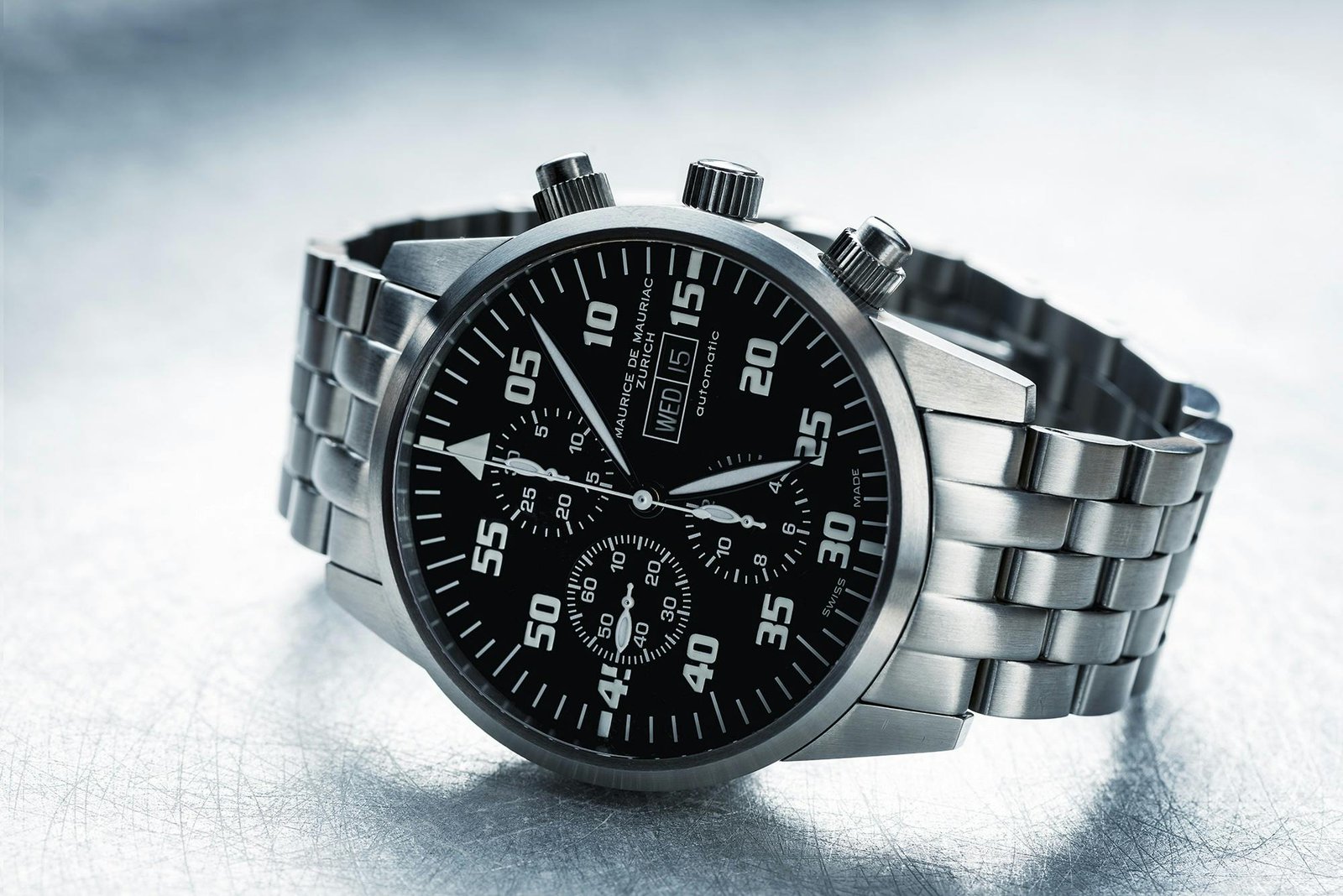
For those who lead an active lifestyle, sports watches provide practical features such as water resistance, durability, and additional functionalities like chronographs or altimeters.
- Water Resistance: Ideal for swimming and diving enthusiasts.
- Durability: Look for shock resistance and robust design.
Choosing a sport watch means you can enjoy your hobbies without worrying about damaging your timepiece.
Finding the Right Fit
The fit of your watch is crucial for your comfort and style.
-
Case Size: Larger watches can make a bold statement, while smaller ones provide a more classic feel. Measure your wrist diameter to find a suitable case size.
-
Strap Length: Ensure that the strap is adjustable for a snug but comfortable fit.
Testing a watch before buying can help ensure it aligns with your expectations.
This image is property of images.pexels.com.
The Investment Value of Watches
If you treat your watch as an investment, understanding the market dynamics and trends is essential.
Understanding Depreciation
Watches can depreciate over time, but luxury brands often maintain their value or even appreciate due to demand.
Here’s a quick breakdown:
| Brand | Depreciation Rate | Appreciation Potential |
|---|---|---|
| Rolex | Low | High |
| Omega | Moderate | Moderate |
| TAG Heuer | Moderate to High | Low |
| Seiko | Moderate to High | Low |
Assessing these factors helps you make educated decisions whether you’re looking for a watch to wear or as an investment piece.
Condition and Rarity
The condition of a timepiece plays a critical role in its value. A well-maintained watch with original parts typically fetches a higher price. Rarity also matters; limited edition models are often seen as more valuable due to their exclusivity.
Caring for Your Watch
Maintaining your timepiece is fundamental to ensuring it lasts. Proper care can extend the life of your watch and keep it looking as good as new.
Regular Maintenance
For mechanical watches, regular servicing is essential. Aim for:
-
Every 3-5 Years: Professional servicing to check for any internal issues and clean the movement.
-
Moisture Checks: Ensure your watch remains waterproof by replacing gaskets periodically.
For quartz watches, you’ll primarily need to replace the battery every two years or so.
Cleaning Your Watch
Keeping your watch clean not only sustains its appearance but also its functionality. Use a soft cloth for the case and a gentle brush for the strap.
Avoid exposing your watch to harsh chemicals or intense sources of heat to preserve its quality.
The Future of Watches
The world of horology is continuously evolving. With advancements in technology, we are seeing the rise of smartwatches alongside traditional timepieces.
Smartwatches: The New Frontier
Smartwatches have gained immense popularity for their multifunctionality. They offer features such as fitness tracking, notifications, and connectivity options.
While they offer modern conveniences, traditional watches still hold a distinct charm. The craftsmanship and heritage behind mechanical watches can never be fully replicated by digital devices.
Sustainability in Watchmaking
As consumers increasingly focus on sustainable practices, some brands are adopting eco-friendly materials and processes. Look for brands that emphasize sustainability in their manufacturing, as this trend continues to grow.
Conclusion: Your Statement Piece
Choosing a watch can be a deeply personal journey. It’s about finding something that resonates with who you are, complements your lifestyle, and stands as a testament to your taste and milestones. Whether you lean toward luxury brands or appreciate affordability and functionality, there is a watch out there waiting for you.
As you embark on this journey, remember that each tick of your watch is a reminder of the time passing, making every moment uniquely yours. Whether it’s about elegance, sportiness, or tradition, your watch can be a beautiful expression of your identity. Make it count!