
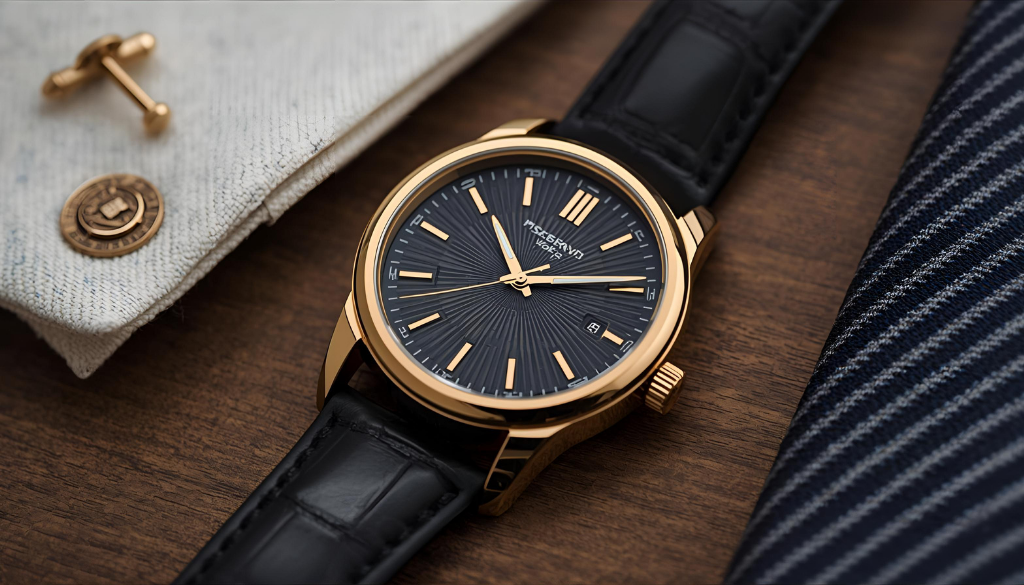
Choosing the right formal watch can be quite the task. Have you ever found yourself standing in front of a display case, overwhelmed by the sheer number of options? It’s not just about telling time anymore; it’s about making a statement, reflecting your personal style, and adding that perfect finishing touch to your outfit. In this guide, you’ll learn everything you need to know about selecting formal watches for men.
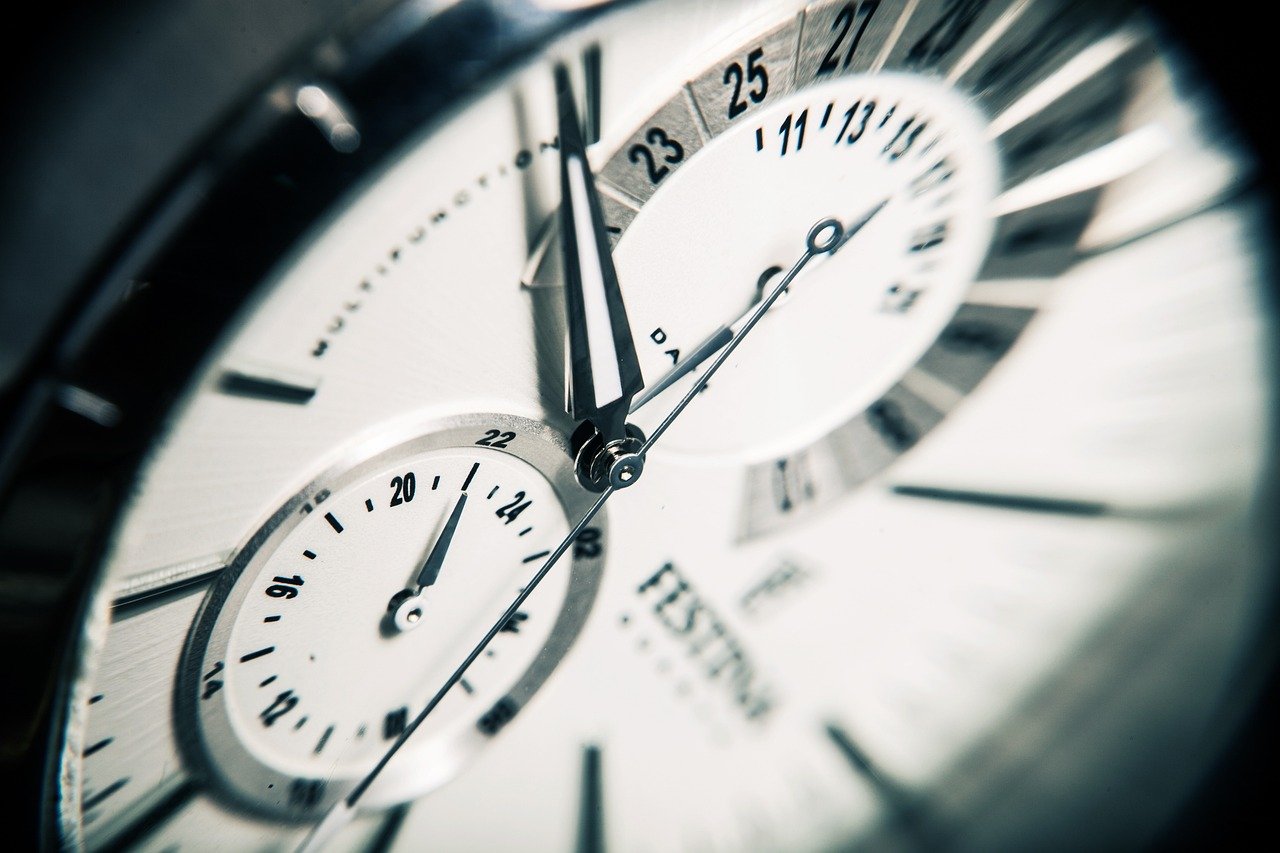
This image is property of pixabay.com.
Understanding Formal Watches
Formal watches serve more than just their primary function of telling time. They communicate sophistication, elegance, and a certain level of expertise to those who notice them. In business meetings, weddings, or formal events, the right watch can say a lot about you.
What Defines a Formal Watch?
A formal watch is typically characterized by its understated design, elegant aesthetic, and quality materials. Usually, these watches feature:
- A slim profile that fits comfortably under dress shirt cuffs
- A classic color palette—think silver, gold, or black
- Minimalist dials free of overly complex features or excessive embellishments
These characteristics help you achieve a polished and refined appearance.
The Types of Formal Watches
There are various types of formal watches on the market, each serving different tastes and occasions. Below are the most common types you might encounter as you search for the perfect timepiece.
Dress Watches
Dress watches are the quintessential formal option. They emphasize simplicity and classic design. Features often include:
- A plain dial with minimal complications
- Leather straps, usually in black or brown
- A thin profile for comfortable wear
- Roman numerals or simple markers for a refined look
These watches are ideal for formal events and business attire.
Chronograph Watches
Chronograph watches add a sporty flair to the formal watch category. They include additional sub-dials that track elapsed time, suitable for someone who values both elegance and functionality. Characteristics include:
- The ability to measure time intervals
- Often larger than standard dress watches
- A more robust design, combining elements of sport and sophistication
These watches can transition well from the boardroom to casual dinners.
Automatic Watches
Automatic watches have a mechanical movement that winds itself as you wear it. For many watch enthusiasts, this is the ultimate blend of craftsmanship and elegance. Some features include:
- A transparent case back, allowing a view of the intricate movement
- Often crafted with high-quality materials, like stainless steel or gold
- More durable and often accompanied by a higher price tag
If you appreciate complex engineering, an automatic watch might resonate with your tastes.
Smart Formal Watches
Smartwatches can sometimes seem less formal than their traditional counterparts, but many now offer sleek designs that work in formal settings. Look for features like:
- Circular displays that mimic traditional watch designs
- A variety of customizable dial faces to match your outfit
- Integration with your phone for notifications without being obtrusive
While they may lack the etiquette of a classic watch, smartwatches are becoming increasingly capable of blending style with technology.
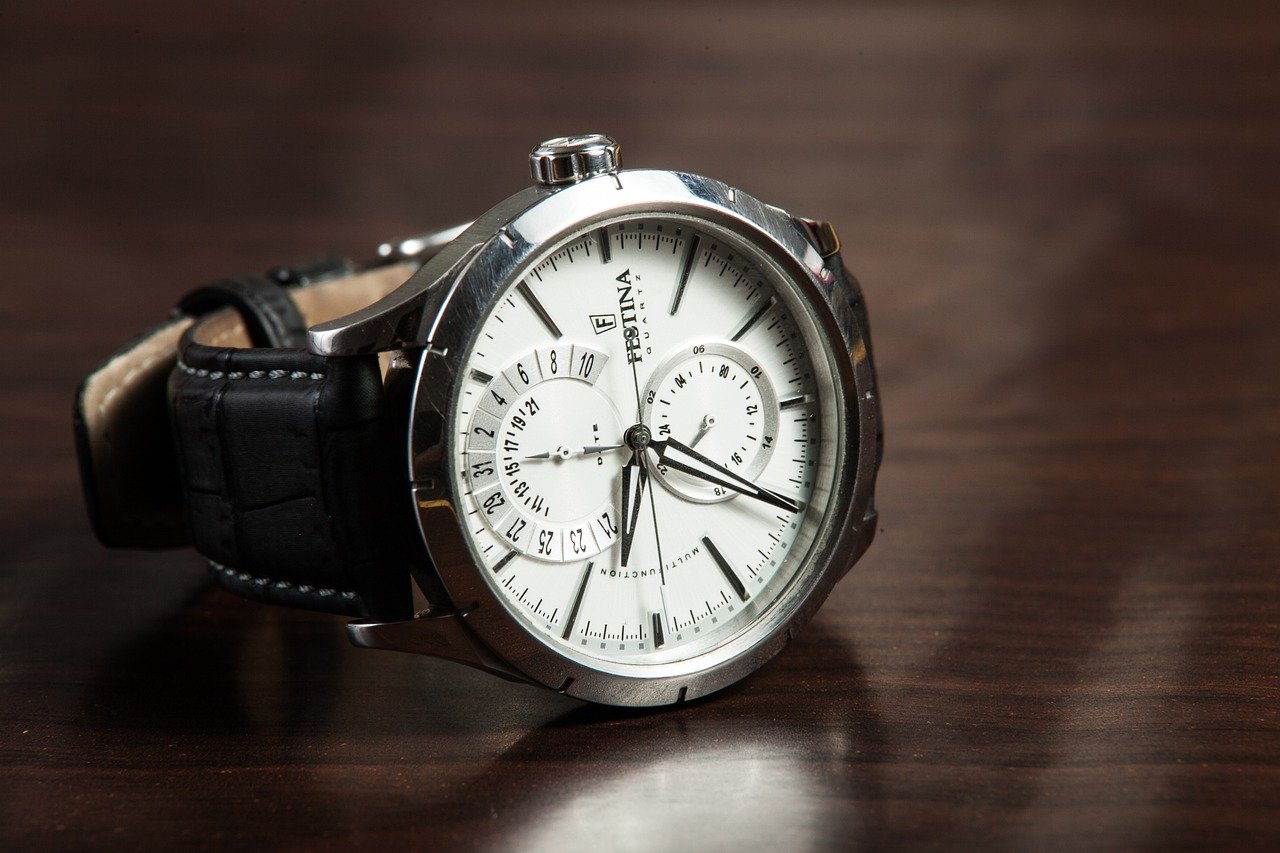
This image is property of pixabay.com.
Material Matters
When selecting a formal watch, the material plays a vital role in both durability and aesthetics. Here are some common materials and their respective advantages:
Stainless Steel
Stainless steel is the most common material for watch cases. It offers:
- Durability and resistance to scratches
- A contemporary look that fits well in professional settings
- Relative affordability compared to precious metals
For many, this material strikes the perfect balance between elegance and functionality.
Precious Metals
Gold or platinum watches are undeniably luxurious. They convey an air of wealth and sophistication. Key points include:
- Golden tones (yellow, white, or rose) add unique character
- Higher price points that reflect the quality
- More susceptible to scratches and wear
While they make a bold statement, they require proper care to maintain their appearance.
Leather Straps
Leather is the go-to choice for watch straps on formal watches. It offers a classic and timeless look. Consider these aspects:
- Available in various colors—black, brown, and even exotic skins
- Comfortable and molds to your wrist over time
- Requires occasional care to maintain its best look
Opting for a quality leather strap can elevate your watch’s aesthetics significantly.
Understanding Watch Movements
The movement of a watch is its heart and soul. Knowing the different types may help you select the right timepiece.
Quartz Movement
Quartz watches are battery-powered and known for their accuracy. Advantages include:
- Affordable pricing and availability
- Minimal maintenance compared to mechanical watches
- Slimmer designs due to smaller components
Consider this option if you prioritize convenience and accuracy in everyday wear.
Mechanical Movement
Mechanical watches rely on intricate gears and springs. There are two types:
- Manual: Requires regular winding
- Automatic: Winds itself as you move
These types offer a connection to classic watchmaking and often feature beautiful craftsmanship.
Choosing Between Movements
Your choice between quartz and mechanical movement comes down to personal preferences. If you value tradition and craftsmanship, a mechanical watch may be right for you. If convenience and accuracy are paramount, a quartz watch could be your best bet.

This image is property of pixabay.com.
The Importance of Watch Size
The size of your watch should complement your wrist and overall style. A watch that is too large or too small can look out of place.
Dial Size
Dial sizes typically range from 36mm to 44mm for men. Here are some general guidelines:
- Small wrists (less than 6.5 inches): Look for sizes around 36mm–39mm.
- Medium wrists (6.5 inches to 7.5 inches): Sizes 39mm–42mm are typically suitable.
- Large wrists (over 7.5 inches): Consider watches larger than 42mm.
Case Thickness
Don’t forget about thickness! A thinner watch (typically 6mm-10mm) can slide under dress shirt cuffs easily. But if you appreciate a robust statement piece, a thicker case can work just as well provided it aligns with your style.
Choosing the Right Strap
Selecting the strap is equally essential to your watch’s overall look.
Leather vs. Metal Straps
Leather straps offer a classic and elegant vibe, while metal bracelets can add a bit of contemporary flair.
- Leather: Ideal for formal occasions, particularly black or brown options.
- Metal: Provides a more modern appearance while still remaining versatile.
Consider your lifestyle: If you’re often in formal settings, a leather strap may suit you best; if you prefer versatility or wear your watch in multiple scenarios, a metal strap could be a better choice.
Other Strap Options
Don’t rule out fabric straps like NATO straps. Though casual, a well-crafted fabric strap can add a touch of flair and personality to your watch, depending on the occasion.
The Role of Color
The color of your watch can dramatically affect its formality and versatility.
Classic Colors
- Silver: Timeless and easy to pair with anything.
- Gold: Makes a statement and elicits a sense of luxury.
- Black: Often considered the most formal option, particularly with a leather strap.
In many instances, sticking to classic colors is wise for formal settings, but exploring unique tones can also enhance your individual style.
Sourcing Unique Colors
As you become more familiar with watches, you may find yourself drawn to unique color combinations. Perhaps a blue dial with a silver case catches your eye, or a rich green strap adds a pop of color to your outfit. Trust your instincts!
Maintaining Your Formal Watch
Proper care will keep your formal watch looking its best for years to come.
Regular Cleaning
Wipe down your watch regularly with a soft cloth to remove dust and fingerprints, especially after wearing it. This small step can maintain the aesthetics of your timepiece.
Service Intervals
Depending on the watch movement, mechanical watches may require servicing every 3-5 years. This ensures the internal mechanisms are functioning correctly and can prevent costly repairs down the road.
Storage
Store your watch in a cool, dry place away from direct sunlight. Consider investing in a watch box or a soft pouch that will protect it from scratches and damage.
Setting a Budget
Finding the right formal watch comes down to balancing quality with your budget. Watches can range from hundreds to thousands of dollars. Here are some guidelines:
Entry-Level (Up to $500)
You can find an excellent variety of dress watches or quartz models. Brands like Seiko or Orient often provide dependable and stylish options.
Mid-Range ($500 – $2,000)
This range opens up a world of possibilities, including more intricate mechanical watches. Brands such as Tissot and Longines often fit in this category.
High-End ($2,000 and Above)
If your budget allows, consider luxury brands like Omega or Rolex. These watches often come with heritage, craftsmanship, and prestige.
Financial Flexibility
While it’s important to stick to a budget, remember that a watch is an investment in your personal style. Sometimes, it may be worth saving up for a piece that truly resonates with you.
Finding the Perfect Fit
When shopping for a formal watch, remember to treat the experience as an adventure. Visit different stores, try on multiple styles, and make sure to size up or down when necessary. The fit should be snug but comfortable, and you should be able to move your wrist freely without feeling restricted.
Also, don’t hesitate to ask sales associates for assistance. They can provide valuable insights and help you understand different models, features, or trends.
Conclusion
Selecting the perfect formal watch for yourself goes beyond simply picking something stylish; it’s about finding a piece that resonates with your identity and lifestyle. Having learned about types, materials, movements, sizes, and maintenance, you now have the knowledge to make an informed decision.
As you embark on this journey, remember that a watch is not just an accessory; it’s a statement piece, a conversation starter, and a testament to your style. Whether you’re attending a formal event, a business meeting, or even just enhancing your everyday look, the right watch can elevate your entire appearance.
So next time you find yourself standing in front of that case filled with timepieces, remember—whatever you choose, do it with confidence and a sense of your unique style!